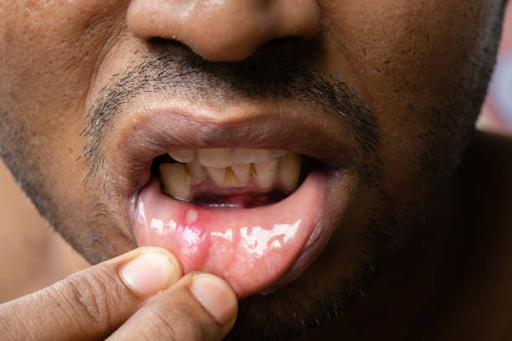
What Are the Differences Between Canker Sores and Cold Sores?
What Are the Differences Between Canker Sores and Cold Sores? Did you know that nearly…


Cold sores are caused by a virus that primarily enters the body through the mouth, most often through contact with someone who has the herpes simplex virus, type 1 (HSV-1), the virus that causes cold sores.
This common and highly contagious virus is a harmless infection in most people, causing temporary, fluid-filled blisters on the lips or surrounding area. The outbreak usually clears up within 14 days. Although harmless, cold sores also cause discomfort, pain, and embarrassment for billions of people worldwide. A two-week outbreak can feel like an eternity.
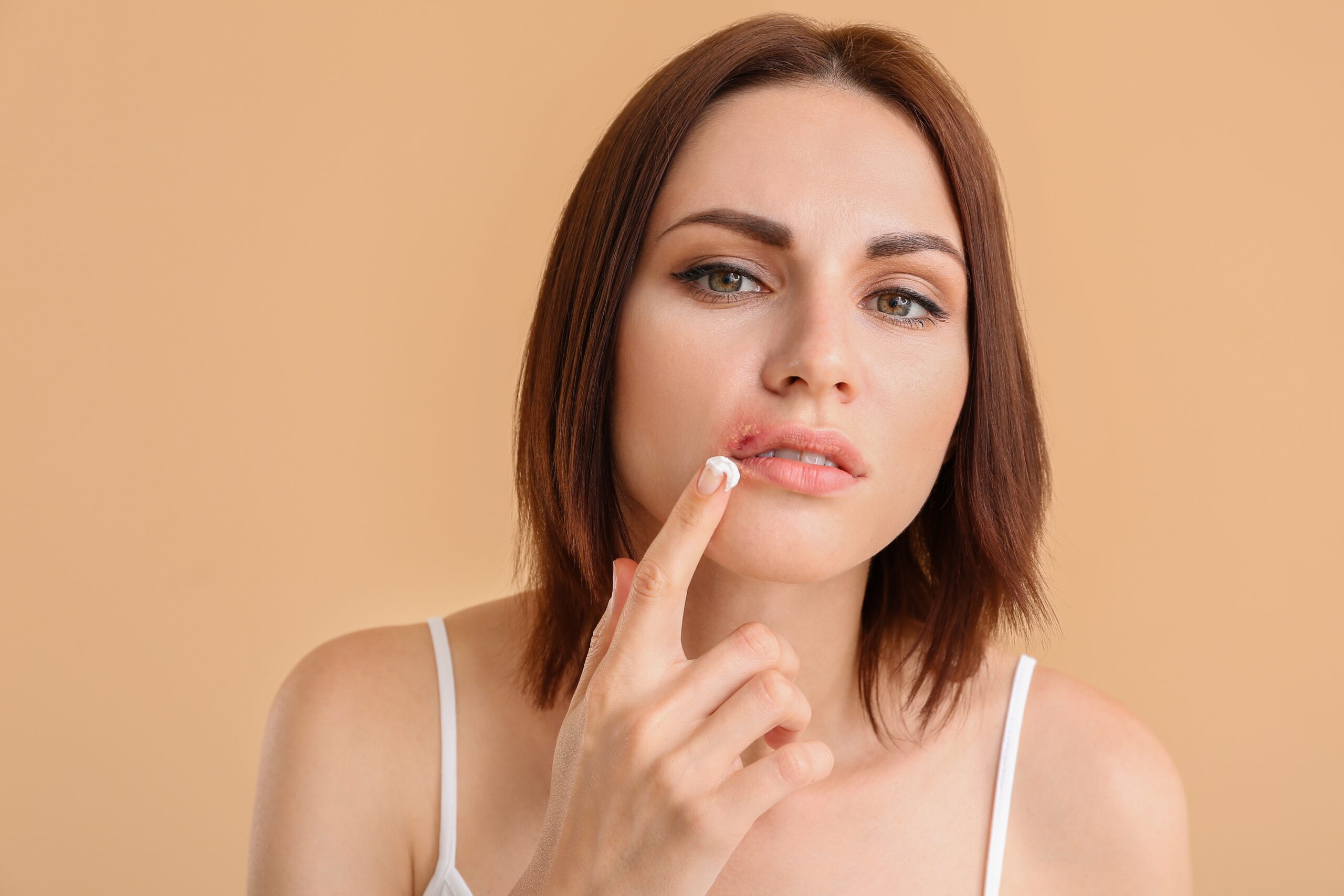
In this article, we’ll cover everything you need to know about cold sores, also known as oral herpes or fever blisters. When you understand what causes cold sores and how to recognize them, you’ll be better equipped to treat them quickly and effectively, allowing you to reclaim your healthy lips and regain confidence.
Cold sores, also known as oral herpes or fever blisters, are caused when the herpes simplex virus (HSV) enters your body.
There are two types of herpes simplex virus:
HSV-1 appears as a fluid-filled blister or cluster of blisters. It is highly contagious and can be spread from one area of the body to another, from person to person or through the sharing of personal items.
Once someone has contracted the virus that causes cold sores, it stays in their body forever, lying dormant between outbreaks. Many people initially contract the virus at birth (neonatal) or in childhood, and it remains with them for life.
Cold sores (also called fever blisters or oral herpes) and canker sores share some similarities: they affect the mouth area, they are painful, and they last up to 14 days. But these two conditions are different in key ways:
Location
Cause
Contagious
While they share some triggers (mouth injuries, stress, infections or illness), canker sores can often occur due to food/product sensitivities and nutritional deficiencies. The two conditions also have very different treatments. Cold sore remedies will not work on canker sores, and vice versa.
In the case of any sores in and around your mouth, if symptoms persist or worsen, rather than improve over time, consult your doctor for proper diagnosis and treatment.
The first time someone gets a cold sore, it is because they have contracted it from someone who has an active cold sore, either through personal contact or by using a personal item that person has used. Actions that cause cold sores to spread include:
Any activity that involves directly touching the cold sore of someone with an active case of HSV-1 or encountering their saliva can quickly spread the virus.

Once you contract the HSV-1 virus that causes cold sores, you will develop symptoms of the infection even before a blister appears. The symptoms advance quickly, can last up to 14 days, and follow a predictable pattern.
| The 5 Stages of a Cold Sore Outbreak | |
|---|---|
| Stage | Symptom |
| Stage 1 – Tingling | A tingle or numbness on or near the lip |
| Stage 2 – Blistering | Small bumps emerge, turning into painful, fluid-filled blisters that may itch and throb |
| Stage 3 – Weeping | Blisters break open and drain fluid. This can be painful and cause the surrounding area to chap and itch. |
| Step 4 – Crusting | Blisters dry up and crust over. The scab can pinch and feel itchy. |
| Step 5 – Healing | The crusty scab flakes off to reveal pink, clear skin beneath, until the area is clear and the skin is fully healed. |

Pro Tip:
Treating at the first tingle and resisting the urge to scratch or peel the cold sore’s crust are two of the most important ways to speed healing.
In addition to being painful, cold sores can make you feel self-conscious because of their prominent location. It doesn’t feel great to have a sore on your lip – and it can be nearly impossible to hide it.
But having a cold sore doesn’t imply anything negative about a person. Additionally, those experiencing cold sores are certainly not alone: it is estimated that close to 70% of the population carries the HSV-1 virus.
Having HSV-1 is not something to be ashamed of. It’s a highly infectious virus that is very easily transmitted. It can affect anyone. Cold sores are caused by HSV-1, which is different from HSV-2, the virus that typically causes genital herpes. While both are forms of herpes, they are distinct viruses with different characteristics. Neither condition reflects anything negative about a person’s character, lifestyle, or hygiene.
You are so much more than a temporary skin condition. Cold sores typically clear up within 10-14 days, with some even resolving sooner with proper treatment. Don’t let a cold sore get you down.
Focus on taking care of yourself during an outbreak, be consistent with your treatment, and don’t stress out. (Remember, stress is a trigger!).
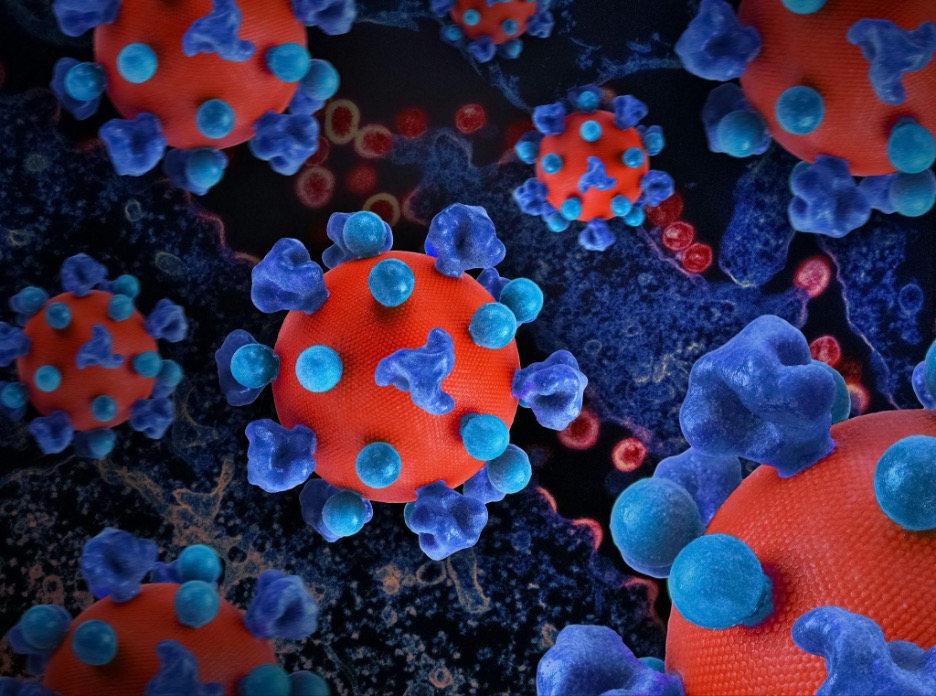
Cold sores are contagious through all five stages of their development and healing: from the initial tingle until the skin is fully healed.
Typically, the stages with active blisters are particularly contagious, especially when the sores are weeping.
If you have an active cold sore, you should avoid kissing and sharing personal items throughout the outbreak. The cold sore should be fully cleared within 10-14 days, and you can get back to your regular activities at that point.
Pro Tip:
Be particularly careful when the cold sore is blistered and oozing. Take care not to touch the area, and wash your hands before and after applying treatment.
Cold sores come back because the virus that causes them never leaves the body. It just hides, waiting for the next time to appear. The HSV-1 virus has two separate stages inside the body:
This ability to burrow into the nervous system helps the virus evade the immune system, ready to reactivate, reinfect, and spread to others.
The word “herpes” comes from the Greek word “herpein,” meaning “to creep or crawl.” And, just like its name implies, after a cold sore heals, the HSV-1 virus creeps back through your nerves to hide until it is triggered again.
After your initial cold sore outbreak, the virus is in your body forever. Whether it awakens and how often varies from person to person.
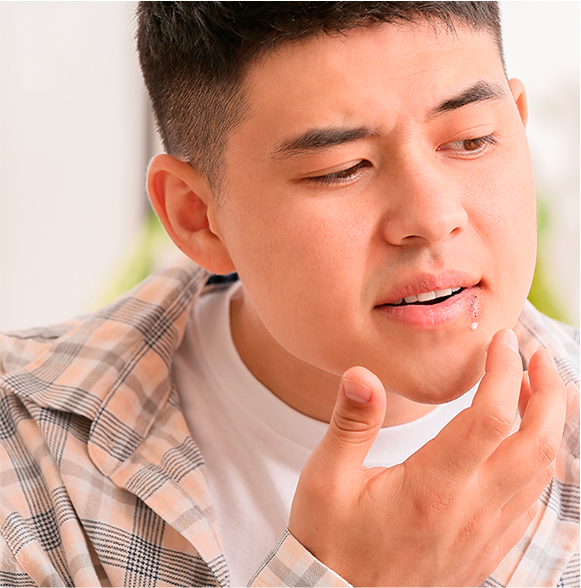
Certain conditions can make you more susceptible to a herpes outbreak, such as:
According to Harvard Medical School, the HSV-1 virus and a person’s immune system are in a constant competition. The immune system suppresses the virus, which then retreats through the nerve endings to hide.
When another infection is present in the body, or the immune system is compromised, the herpes virus takes advantage of the body’s momentary weakness and re-emerges.
Pro Tip:
Use hydrating lip products with SPF — like Blistex FIVE STAR Lip Protection — all year long to keep your lips soft and protected.
The World Health Organization estimates that 3.8 billion people globally are infected with HSV-1, the virus that causes cold sores. Many of those infections are asymptomatic, meaning some people never have an active outbreak. Others have occasional outbreaks, while still others are impacted by frequent cold sores.
Bodies react differently to the virus, and studies suggest that genetics plays a part in determining whether someone has an outbreak and how often
Individuals who are immunocompromised (have a weakened immune system) or have other underlying health conditions can be more susceptible to viral attacks, including HSV-1. These individuals may experience more frequent and severe outbreaks that take longer to clear up.
Because cold sores follow such predictable stages, they are often diagnosed based on symptoms. Those who have had a cold sore in the past typically recognize the feeling and physical emergence of the cold sore.
If you have lesions or blisters that are similar to a cold sore, but worsen or are accompanied by other symptoms, it is important to see your health care provider. A physician or dermatologist can examine the sores and perform tests to determine the correct treatment.
Kissing on its own doesn’t cause cold sores, but it does transmit them. If someone has an active cold sore, kissing is the easiest way for them to share the virus with someone else.
If you have the HSV-1 virus, but it is latent, kissing may sometimes wake up the virus if other factors are present as contributing triggers (a cold, hormonal changes, chapped lips). The more triggers that are present, the more likely the virus can be awakened.
Pro Tip:
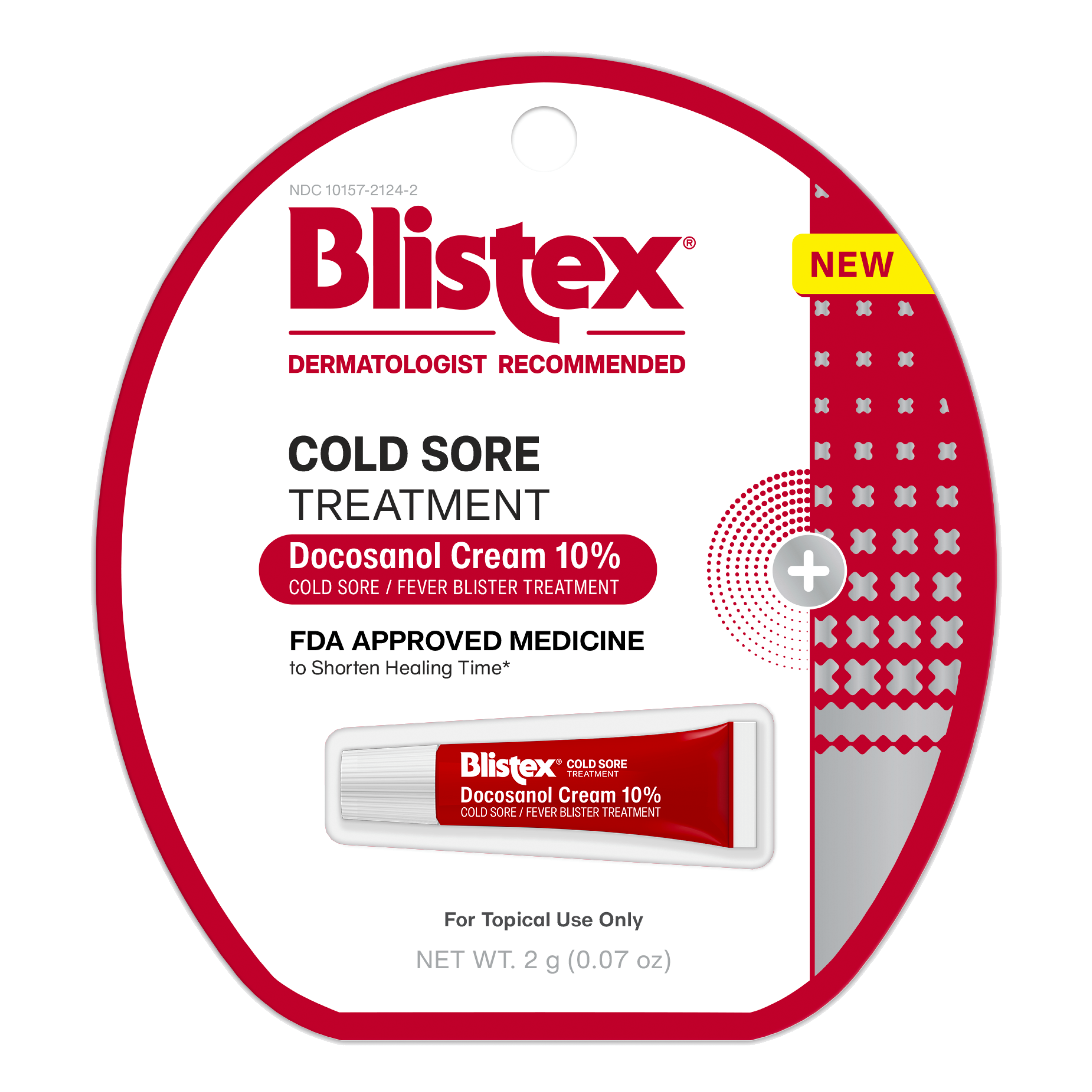
If you have the HSV-1 virus or have recently kissed someone with an active cold sore, have treatment options like Blistex Cold Sore Treatment Docosanol Cream 10% on hand to begin managing the outbreak at the first tingle.
Kissing is one way to transmit a cold sore, but the HSV-1 virus is so contagious that many forms of personal contact can spread the virus. Skin-to-skin contact involves the possibility that someone touches their cold sore and then touches your hand, which could lead to you touching your mouth.
You can also get a cold sore if you were infected as a child and the virus isn’t triggered until later in life. In short, lip-to-lip contact is far from the only way to transmit the cold sore virus from one person to another.
While the HSV-1 virus is inactive, it is essentially waiting for a sign that it is time to re-emerge. While not every person experiences the same triggers, some typical ones include:
These, and other triggers, have something in common: physical or mental stress. In general, people are more susceptible to cold sores when under stress or feeling run-down.
When you already have a latent virus in your body, such as the one that causes cold sores, you are more susceptible to that virus re-emerging during times of stress.
Yes, cold sores can spread to other areas of your body, but it is not common. If you touch an active cold sore and then touch another part of your body before washing your hands, you can spread the virus to a new area. This is most common if the virus comes into contact with broken skin or mucous membranes.
Cold sores can spread to:
Fortunately, your immune system usually helps you, and by following simple precautions, you can avoid this complication altogether. That is why it is critical to always wash your hands if you have touched your cold sore and each time you apply treatment to the affected area.
If you suspect you have spread your cold sore to another part of your body, contact your doctor for examination, diagnosis, and treatment.
Because there is no apparent cure for the virus that causes cold sores, the most effective way to get rid of a cold sore is to start treating it as soon as you feel the first symptom: the tingle.
If you don’t treat the earliest symptoms, don’t worry and don’t give up. Begin treatment as soon as possible, be consistent, and ensure good hand hygiene throughout the outbreak and its treatment. Washing your hands frequently helps ensure you don’t spread the virus to other parts of your body.
Acting early and selecting the right products to promote healing and treat pain are the most important steps you can take in speeding up the duration of a cold sore.

Dermatologist recommendation:
“The sooner you put it on, the better chance you’re going to have at reducing the symptoms—I recommend Blistex” – Dr. Hal Weitzbuch
Pro Tip:
It’s easier not to touch your cold sore if you’re able to reduce the pain by using Blistex Cold Sore Fast-Acting Pain Relief. It uses maximum-strength lidocaine to block nerve signals immediately, and glycerin to hydrate and soften lips.
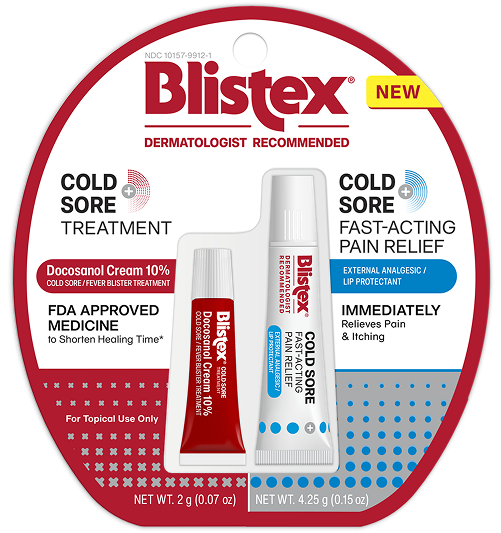
Immediate, targeted treatment to help shorten healing time and relieve pain & itching of cold sores
When you have a cold sore, you may also feel fatigued or run-down, especially if it is your first occurrence. The initial outbreak, when the HSV-1 virus first enters your body, can cause flu-like symptoms, such as:
During that first outbreak or recurring episodes of a cold sore, it is essential to relax, hydrate, and eat healthy foods. Reduce stress, avoid foods that irritate your cold sore, and practice other aspects of whole-body wellness to boost your immune system.
Pro Tip:
Stress and overexertion are common triggers. Practicing healthy habits can reduce these triggers.
The prevalence of cold sores is an indication of how difficult they are to prevent. The HSV-1 virus is highly transmissible and infectious. However, there are steps you can take to prevent catching the virus or causing it to re-emerge:
Avoid close personal contact
Don’t touch active sores
Keep personal items separate
Practice good hygiene
Stay hydrated
Eat healthy
Manage and reduce stress
Avoid overexertion and fatigue
Use SPF lip balm to protect from the sun
Pro Tip:
If you have had a cold sore, prevent re-infection by replacing personal items like lip products and your toothbrush.
Lip balm on its own can’t prevent a cold sore, but it can help to eliminate some of the major factors of an outbreak.
Keeping your lips moisturized prevents the dry, cracked skin that can trigger the HSV-1 virus to return to the lips.
When choosing a lip balm to help prevent a cold sore, SPF protection is a must. Sun exposure without lip protection is another big trigger, so protecting your lips with at least SPF 15 can reduce your risk of a sun-exposure-related cold sore. A great option is Blistex Medicated Lip Balm.
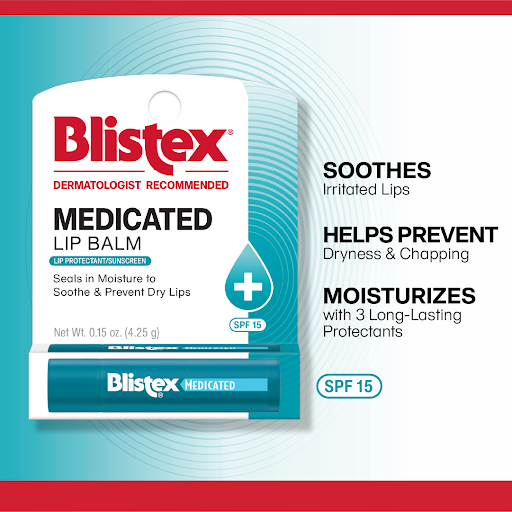
Steer clear of lip products containing harsh ingredients or strong fragrances that may irritate your lips. Irritation is a trigger for a cold sore, so those products are likely to do more harm than good.
If you are pregnant or have health issues, consult with your doctor before any treatment. In most cases, cold sores are mild and clear up effectively with proper treatment and care. You should see improvement within days and a complete clearing of the sore and scab within 10-14 days.
When treating your cold sore, if symptoms get worse or HSV-1 continues to spread, visit your healthcare provider so they can examine the blisters and determine the proper course of treatment.
FACT: You can spread the virus before the sore appears, as soon as you feel symptoms.
FACT: The virus often recurs in the same area repeatedly.
FACT: The HSV-1 virus can spread to other areas of the body, so good hygiene is key during an outbreak.
FACT: Many people with HSV-1 have healthy immune systems. Anyone can contract the virus.
FACT: Children are susceptible to cold sores because HSV-1 is highly contagious, as kids often put their hands in their mouths.
Knowing what causes cold sores can help you prevent a recurrence. Understanding the progression of symptoms is critical in treating an outbreak and reducing its duration. The faster you start treatment, the sooner your cold sore can start to heal.
Using an effective over-the-counter cream, like Blistex Cold Sore Treatment Docosanol Cream 10%, can reduce the duration of a cold sore outbreak and shorten the time it takes to heal.
Docosanol 10% is the FDA-approved active ingredient in Blistex cold sore treatment. It works fast by penetrating the skin, targeting the HSV-1 virus, and blocking it from entering surrounding cells. This immediate action makes this Blistex product effective in keeping the cold sore from spreading, while also reducing pain, burning, itching, and irritation.
To ease the pain and discomfort associated with the cracked, painful skin of a cold sore and the surrounding area, use Blistex Cold Sore Fast-Acting Pain Relief with maximum-strength lidocaine for pain relief and glycerin for hydrating and protecting lips.
Blistex Cold Sore Treatment and Fast-Acting Pain Relief are available separately, or in the convenient Blistex Cold Sore Kit, which contains both products. Having a solution on hand means being ready to start treatment at the first sign of a cold sore, helping to shorten the duration, ease the symptoms, promote healing, and protect your lips from day one.
Sources:

Jennifer Towns developed her early interest in aesthetic health and beauty sciences, later specializing in lip care and treatment. She has worked in both clinical and cosmetic settings, focusing on restorative and preventive techniques to help patients maintain healthy, natural-looking lips.

Dr. Walter Hunt is a board-certified specialist in dermatology and cosmetic medicine, with a strong focus on lip health and rejuvenation. Over the years, he has combined medical research with hands-on practice, providing innovative treatments designed to enhance lip care, hydration, and overall aesthetic wellness.
What Are the Differences Between Canker Sores and Cold Sores? Did you know that nearly…

Are Cold Sores Contagious? Tips to Stop the Spread and Heal Faster. Cold sores are…
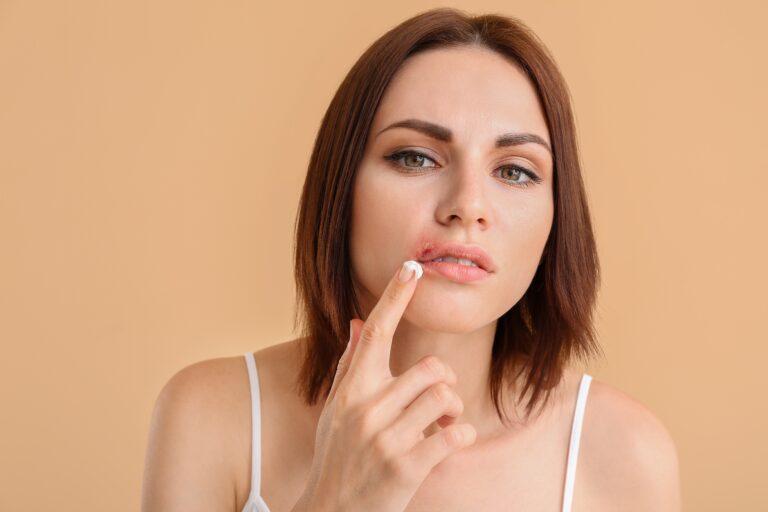
What Causes Cold Sores? Cold sores are caused by a virus that primarily enters the…
Blistex Cold Sore Treatment Docosanol Cream 10% works best when applied at first tingle. Buy at a retailer near you.
 Shop Now
* Among some Dermatologists who recommended at least one brand for lip moisturization and treatment of chapped lips in a ProVoice® 2023 survey