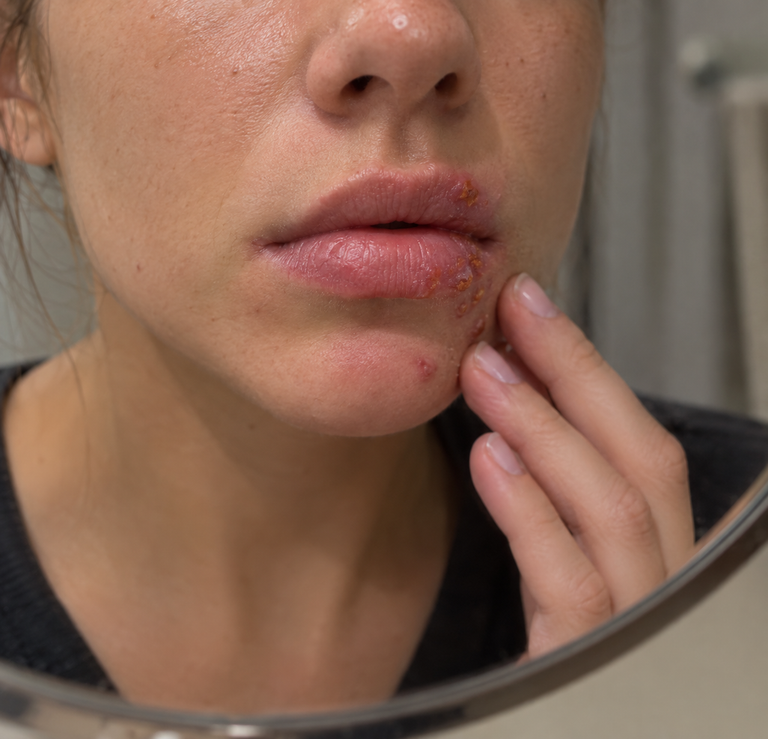
Fast Cold Sore Relief: At-Home and OTC Options
Learn safe ways to speed healing and ease pain with cold sore treatment, plus…


Cold sores have a reputation for showing up at the worst possible time, then hanging around longer than we would like. The good news is that with the right over-the-counter cold sore medicine, it is often easier to treat them early than to wait and hope they resolve on their own.
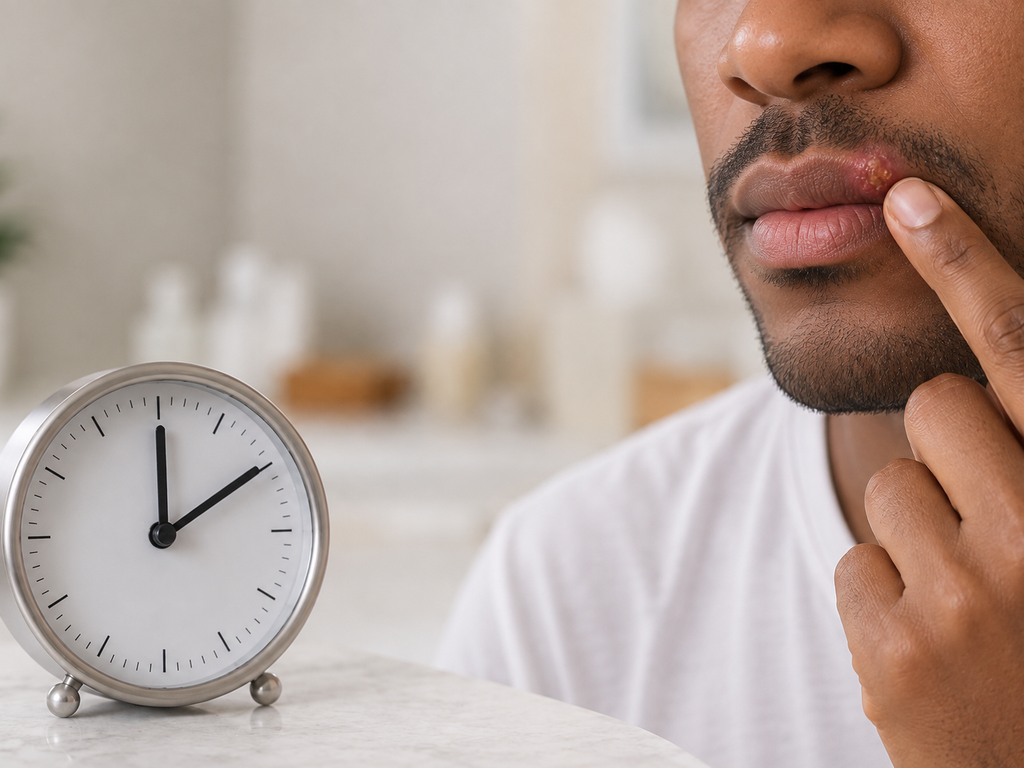
Cold sores usually move through several stages: a tingling or burning feeling, followed by blisters, then oozing, scabbing, and finally healing. Starting cold sore treatment during the first tingling stage often helps shorten the outbreak and reduce the duration of symptoms. By acting early, you can help limit pain, itching, and burning, making it easier to go about work, school, or social plans without constant discomfort.
Waiting it out, on the other hand, usually means more days of active blisters and scabs. As the skin dries and tightens, it can crack and bleed, which is uncomfortable and can make eating or talking painful. The longer the sore is active, the greater the chance the virus will spread to other people or to different areas of your own skin. Treating sooner is usually simpler, and it can feel far more manageable than letting the sore run its full course without support.
Since it is so important to treat cold sores at the first sign of tingling, dermatologists recommend keeping cold sore treatment handy, especially one containing Docosanol (10%), such as Blistex Cold Sore Treatment Docosanol Cream 10%. The Blistex Cold Sore Kit also includes a Lidocaine cream to relieve pain and form an instant protective barrier.
Cold sores are small, fluid-filled blisters that typically form on or around the lips. They are usually caused by the herpes simplex virus type 1, which stays in the body once you have been exposed. After the first infection, the virus becomes dormant and can reactivate later, which is why cold sores tend to come back in the same general area.
Certain triggers can wake the virus up. Many people notice flare-ups when their immune system is under pressure or when environmental factors stress their lips. Common triggers include:
• Stress and emotional strain
• Colds, flu, or other illnesses
• Sun exposure or windburn
• Hormonal changes
• Fatigue or lack of sleep
• Dry, chapped, or injured lips
Cold sores usually follow a familiar pattern. First comes tingling, burning, or tightness around a small spot on the lip. Next, redness appears, then small fluid-filled blisters form. The blisters can break open and ooze, then a yellowish or brownish crust develops as the sore begins to dry and heal. Throughout this process, the area can feel sore, itchy, or tight. The best time to start an antiviral cream for cold sores or other treatment is usually at that very first sign of tingling, before blisters are fully formed.
Additional Resources:

Pro Tip:
Think of that initial “tingle” as your body’s early warning system. Even before visible symptoms appear, this is your notice that the virus (HSV-1) has awakened, and it’s time to act. This is an ideal time to start using Blistex Cold Sore Treatment Docosanol Cream 10% – when used at the earliest tingle, the treatment provides the best results, shortening the healing time of cold sores.
Over-the-counter cold sore medicine comes in several forms, each with its own strengths. Antiviral creams for cold sores are made to target the virus at the site of the sore. When used early and regularly as directed, they can help shorten the duration of an outbreak and limit how severe the blisters become. Docosanol 10%, the main active ingredient in Blistex Cold Sore Treatment Docosanol Cream 10%, is Docosanol Cream which is the only OTC medicine approved by the FDA to shorten healing time and duration of symptoms.
Medicated lip balms such as Blistex Lip Medex can help ease discomfort while supporting the skin as it heals. These formulas often combine soothing ingredients with protective moisturizers, so lips stay more comfortable during an outbreak. Fast-acting pain-relief ointments such as Blistex Cold Sore Fast Acting Pain Relief focus on calming tenderness, throbbing, and burning, which can make eating, drinking, or talking less uncomfortable. Protective lip care products create a barrier over the sore and surrounding skin, helping defend against dryness, cracking, and weather-related irritation.
Deciding what to put on a cold sore depends on your main goals. If you catch the sore early, an antiviral cream for cold sores such as Blistex Cold Sore Treatment Docosanol Cream 10% may be a good first choice. As blisters develop, layering a soothing, protective balm around the area can help keep the rest of your lips comfortable. Blistex has formulated the Cold Sore Kit to include both Cold Sore Treatment Docosanol Cream 10% and Cold Sore Fast Acting Pain Relief, which contains Lidocaine for targeted relief. For more frequent, very painful, or widespread outbreaks, a healthcare provider may recommend a prescription for a cold sore, while many people manage occasional sores with over-the-counter options.
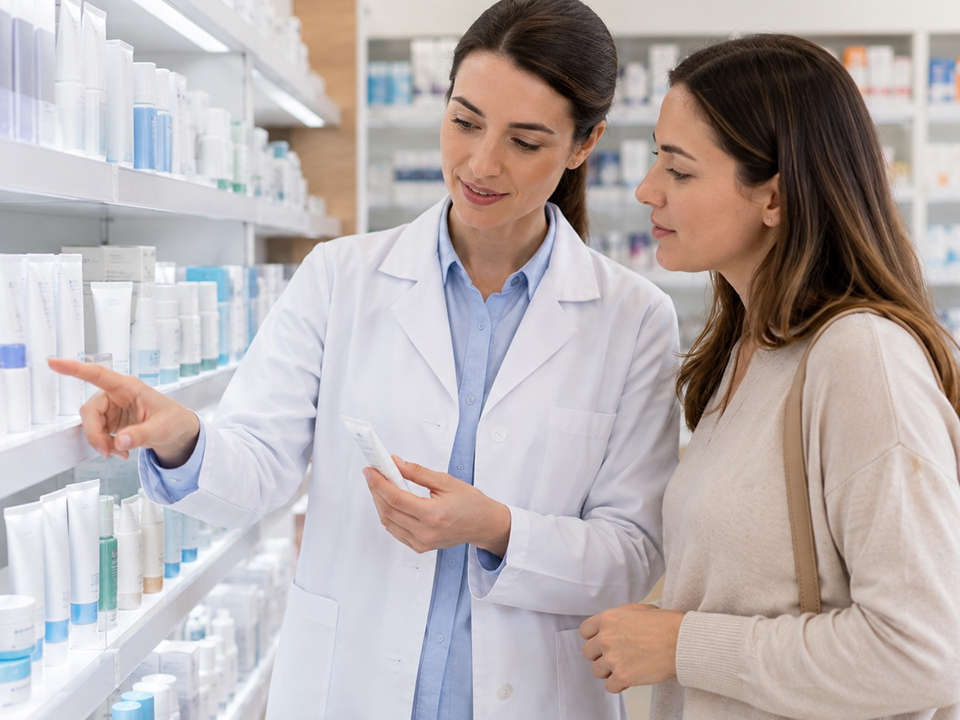
Understanding the ingredients in your cold sore treatment can make it easier to choose what fits your needs. Many over-the-counter cold sore products fall into a few basic ingredient groups.
Antiviral ingredients are intended to interfere with the virus at the skin surface, especially when applied at the first sign of symptoms. Docosanol (10%) is an FDA-approved ingredient used in Blistex Cold Sore Treatment Docosanol Cream 10% that helps shorten the healing time of cold sores by targeting the virus directly at the skin surface. It is most effective when applied at the very first sign of an outbreak, such as tingling or burning, helping to limit the duration of the cold sore symptoms.
Skin protectants such as Blistex Maximum Hydration Lip Ointment can help relieve the discomfort associated with severe dryness while promoting smoother, healthier-looking lips. Moisturizers keep the surrounding skin soft and flexible, which can reduce tightness and cracking as the sore heals. Pain relievers or numbing agents, such as lidocaine, temporarily ease soreness, itching, and burning, so the area feels less distracting. Blistex Fast-Acting Pain Relief does both: protects the skin and relieves pain from cold sores.
Hydrating ingredients, such as emollients and humectants like petroleum jelly, can be very useful for lip care during an outbreak. Keeping lips moisturized helps support the skin’s natural barrier, which is already working hard during an active sore. This can make the scabbing stage feel less dry and tight.
If you have sensitive skin, it is helpful to read labels and pay attention to how your lips react to different products. Some people do better with simpler formulas or fragrance-free options. Taking a moment to look at the ingredient list on over-the-counter cold sore medicine can help you feel confident about what you are putting on your lips. Always wash your hands thoroughly with soap and water after applying medication to prevent spreading the virus to other parts of your body or to other people.
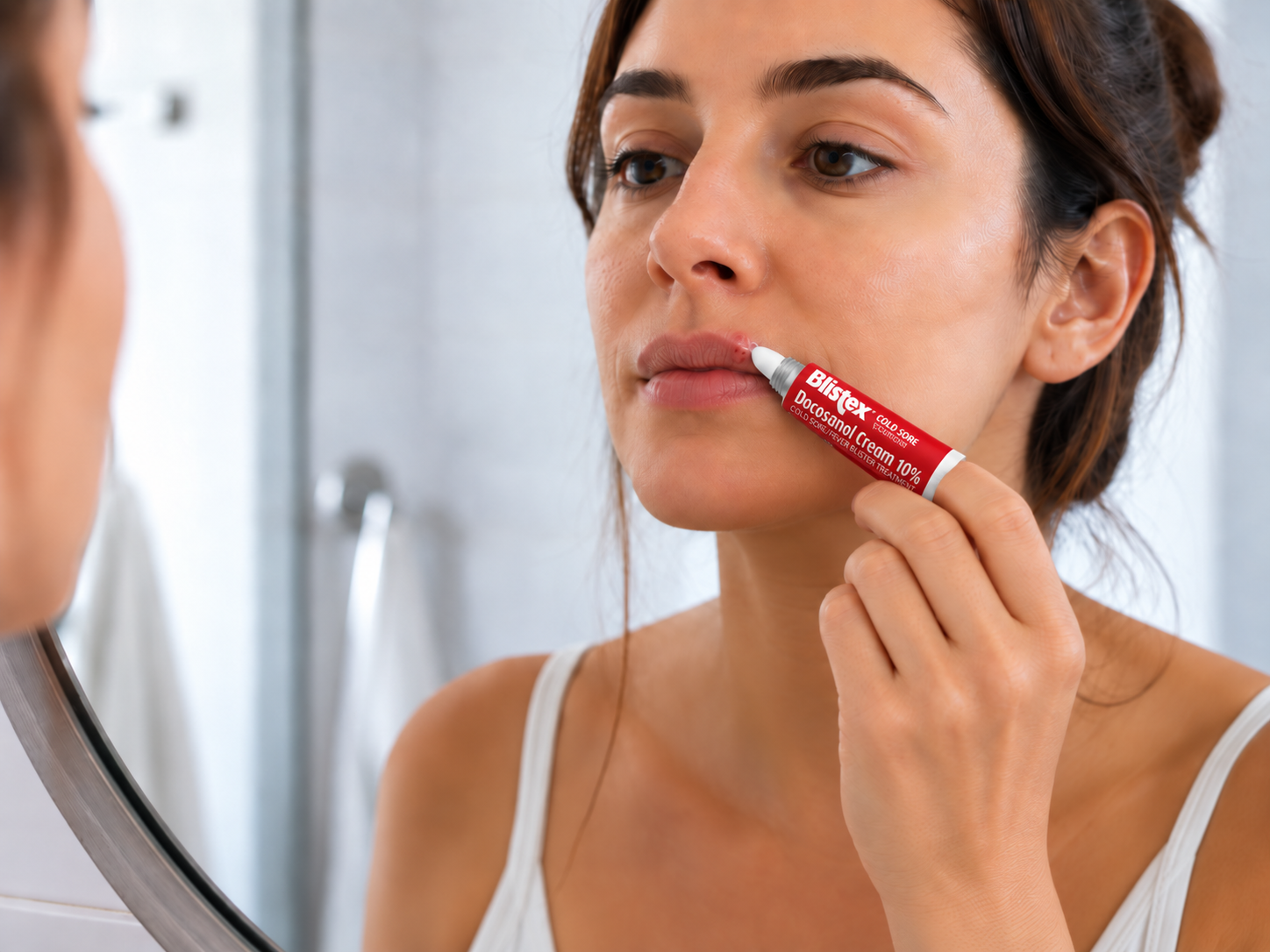
While no one can completely control when the virus reactivates, daily lip care and general wellness habits can help prevent it. Moisturizing your lips regularly helps keep the skin barrier strong, which may make your lips less prone to cracking or irritation. Sun protection is also important, since UV exposure is a common trigger for cold sores on the lips.
You can also work on reducing your personal triggers where possible. Practical strategies include:
• Managing stress through rest, movement, or relaxation techniques
• Getting consistent sleep so your body has time to recover
• Supporting your immune system by caring for your general health
• Protecting lips from wind, cold, and dryness with regular lip balm use
Good hygiene can help reduce the risk of spreading the virus to others or to other areas of your body. Try not to touch the sore, and wash your hands if you do. Avoid sharing lip products, towels, razors, straws, or utensils during an outbreak. Be mindful of kissing or close contact when a sore is present, since this is when the virus is more likely to spread. Learn more about when you’re contagious & how cold sores spread to prevent further transmission.
Many people find it helpful to create a simple cold sore plan; This can be as straightforward as recognizing your earliest warning signs, keeping your preferred over-the-counter cold sore medicine on hand, and starting treatment as soon as you feel that first tingle. When you are prepared, a cold sore becomes something you manage, not something that controls your day.
When you feel a cold sore coming on, your choice of treatment depends on the stage and how it feels. At the earliest tingling or burning stage, an antiviral cream for cold sores may be the first thing you reach for. As the sore develops, a soothing balm can help protect the surrounding lips from dryness and cracking. If the area is very tender, a pain-relief product can make regular activities more comfortable.
Whatever you choose, using products correctly is important. Apply with clean hands to avoid spreading the virus to other parts of your skin. Follow the directions on the package for how often to reapply. Combine treatment with gentle lip care habits, such as avoiding picking at scabs or peeling skin, and keeping the area clean and lightly moisturized.
Cold sores can feel frustrating, but they do not have to take over your plans. With accessible over-the-counter cold sore treatments and a simple, thoughtful routine, you can respond quickly, support your lips, and move through outbreaks with more confidence and comfort.
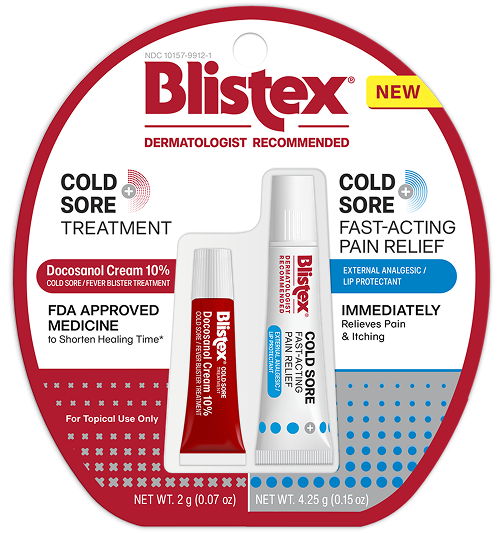
Immediate, targeted treatment to help shorten healing time and relieve pain & itching of cold sores
If you are ready to address flare-ups quickly and confidently, we are here to help with targeted solutions that fit your routine. At Blistex, our focus is on practical, science-informed care that helps you feel more comfortable and prepared. Explore our dedicated Blistex cold sore treatment options to find what works best for you.

Dermatologist recommendation:
“The sooner you put it on, the better chance you’re going to have at reducing the symptoms – I recommend Blistex” — Dr. Hal Weitzbuch

Jennifer Towns developed her early interest in aesthetic health and beauty sciences, later specializing in lip care and treatment. She has worked in both clinical and cosmetic settings, focusing on restorative and preventive techniques to help patients maintain healthy, natural-looking lips.
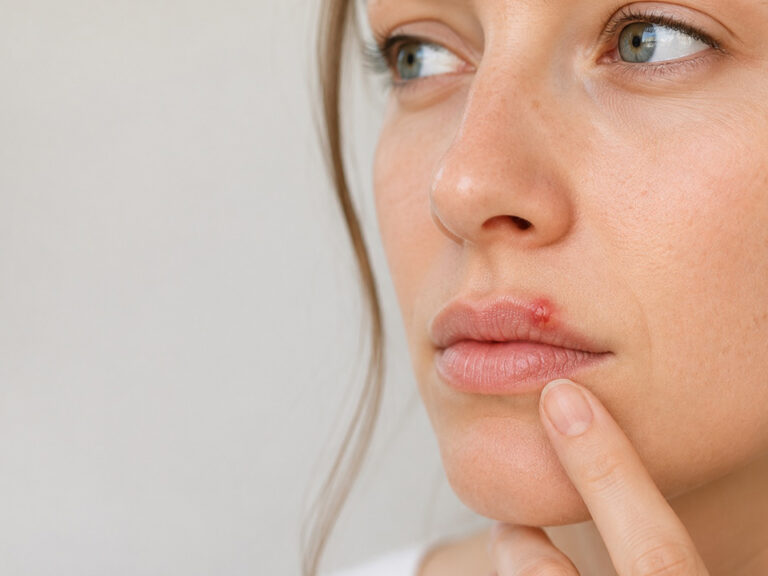


Fast Cold Sore Relief With Over-the-Counter Options Cold sores have a reputation for showing up…
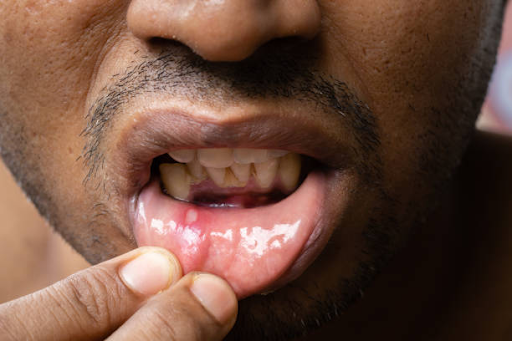
What Are the Differences Between Canker Sores and Cold Sores? Did you know that nearly…
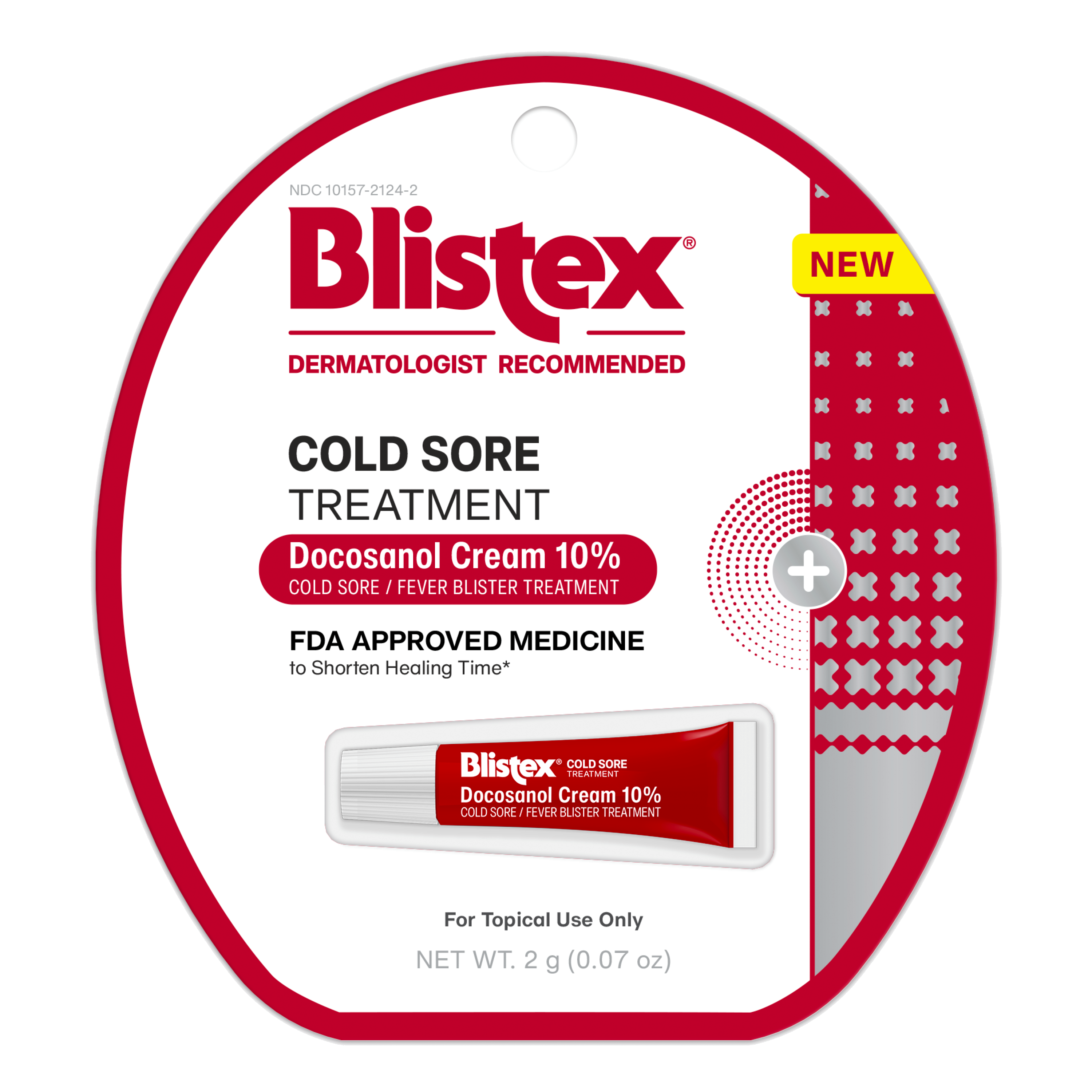
Blistex Cold Sore Treatment Docosanol Cream 10% works best when applied at first tingle. Buy at a retailer near you.
 Shop Now
* Among some Dermatologists who recommended at least one brand for lip moisturization and treatment of chapped lips in a ProVoice® 2023 survey