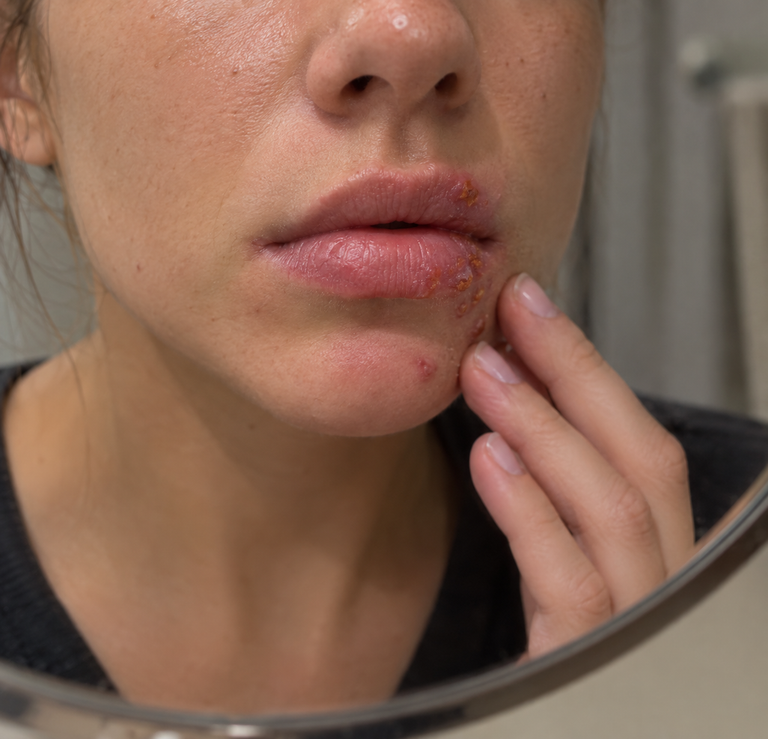
Fast Cold Sore Relief: At-Home and OTC Options
Learn safe ways to speed healing and ease pain with cold sore treatment, plus…


In this article, we will walk through how high altitudes, hot weather, and dry climates can affect cold sores, and how a smart routine, including a protective lip balm and medicated cold sore lip treatment, can help you stay more comfortable wherever you go.
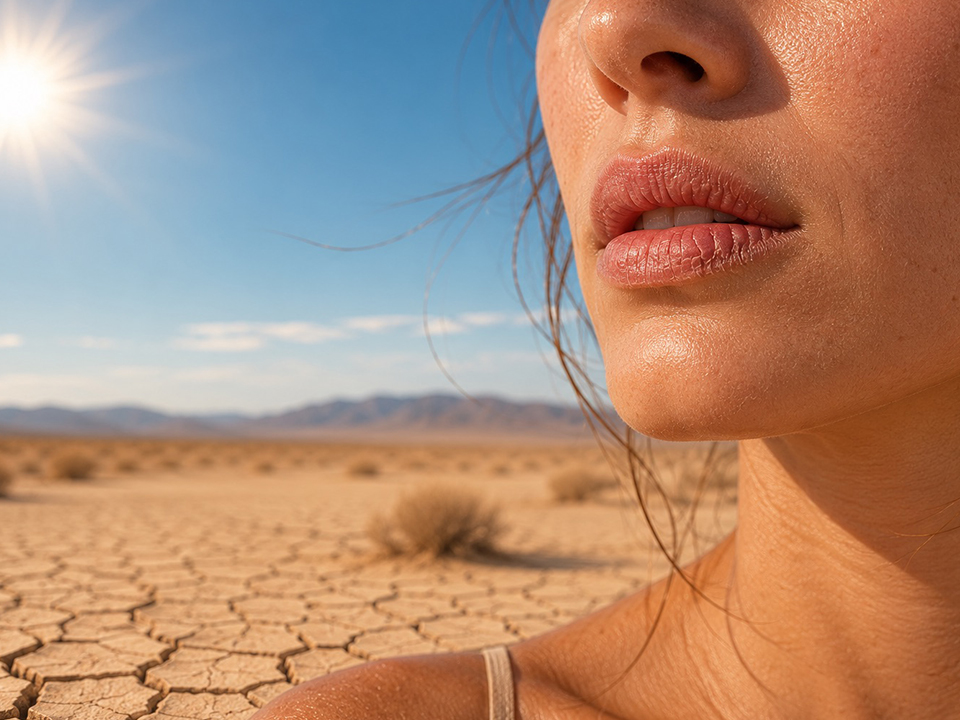
Cold sores have a way of showing up at the worst possible times, like on a ski trip, a desert getaway, or a summer beach week. When the weather is intense, our lips often pay the price first. The skin on our lips is thinner than the skin on the rest of the face, with less natural oil, so it loses moisture faster and has less built-in protection. That is why extreme cold, heat, wind, and dryness can leave lips feeling sore, tight, and cracked.
When the herpes simplex virus is present, those same conditions can also be powerful triggers for cold sore outbreaks. Sun, wind, cold, and dry air can irritate the lips and stress the body, which may wake up the virus and spark that familiar tingling or burning. Click this dermatologist-approved article to learn more about what causes cold sores.
High altitudes can be beautiful, but they are tough on lips. Up in the mountains, the air is thinner, and the atmosphere filters less of the sun’s UV rays, so your lips are exposed to stronger sunlight. At the same time, the air is usually colder and drier, which pulls moisture from the skin more quickly. That combination of strong UV, low humidity, and cold air can leave lips chapped and more vulnerable to irritation.
For people who get cold sores, this stress can be a factor. Travel itself can be tiring, and activities like skiing, snowboarding, or hiking add physical strain. When the body is stressed, the immune system may not keep the herpes simplex virus as quiet, which can contribute to a flare. If your lips are already dry, cracked, and sun-exposed, a cold sore may feel more painful and take longer to calm down.
Planning makes a real difference. Some helpful strategies for high altitude trips include:
• Using and reapplying a protective lip balm with SPF on the lips throughout the day
• Using a cold sore lip treatment with Docosanol 10% that stops cold sores in their tracks.
• Drinking water regularly, even if you do not feel very thirsty
• Using a medicated lip balm in addition to your cold sore treatment.
By treating your lips as carefully as you treat your skin or eyes at altitude, you give them a better chance to stay comfortable and resilient.

Pro Tip:
Think of that initial “tingle” as your body’s early warning system. Even before visible symptoms appear, this is your notice that the virus (HSV-1) has awakened, and it’s time to act. This is an ideal time to start using Blistex Cold Sore Treatment Docosanol Cream 10% – when used at the earliest tingle, the treatment provides the best results, shortening the healing time of cold sores.
Hot, sunny days can feel great, but they can be tough on lips, especially if cold sores are a concern. High temperatures and direct sun can weaken the natural barrier of lip skin, leaving it more prone to dryness and irritation. UV exposure is a well-known trigger for cold sores in many people, and prolonged sun exposure without protection can be the spark that sets off the first tingle.
Dehydration adds another layer. When we are out in the heat, we often lose fluids through sweat and forget to replace them. Without adequate hydration, lips can become dry, tight, and more prone to cracking. If a cold sore does appear, dry, cracked lips can make it feel more uncomfortable and may slow healing, since the skin is already under strain. Cold sores can be problematic for Runners, Hikers, or Bikers who spend prolonged periods outdoors.
To help keep lips safer in the heat and sun, try building small, consistent habits into your day:
• Wear a wide-brimmed hat or seek shade during peak sun hours
• Use a broad-spectrum SPF product made specifically for lips
• Choose a cold sore lip treatment that comforts while it protects from environmental stress
• Pay attention to early warning signs like tingling, itching, or burning, and act quickly
These simple steps can turn a day in the sun from a major trigger into something your lips can handle more easily.
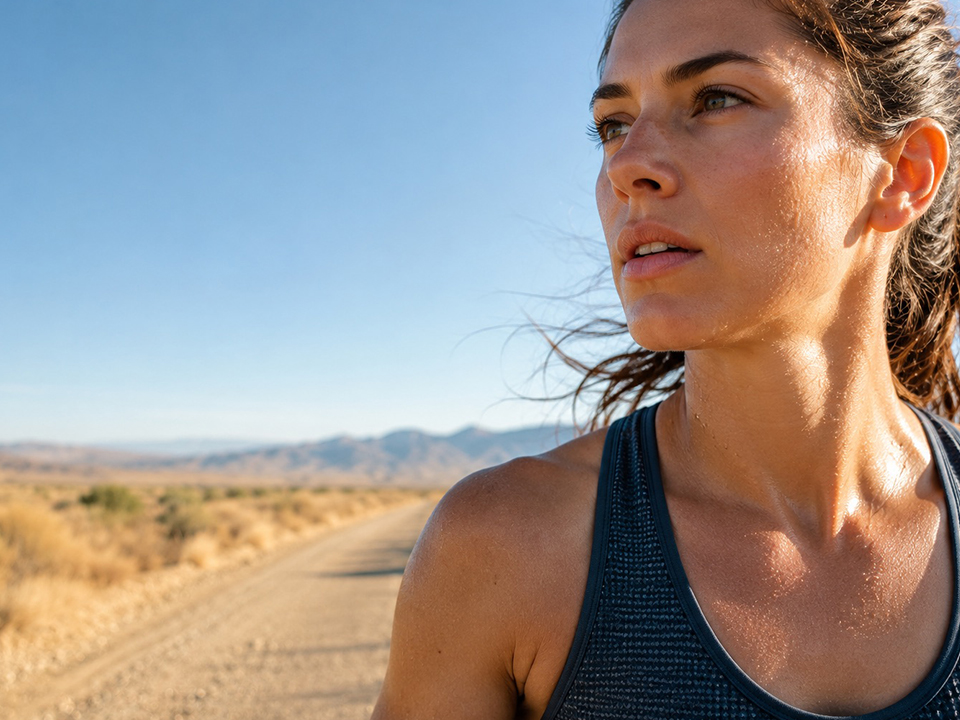
Dry weather can show up in many places, from winter cold to desert heat to indoor air-conditioned or heated spaces. Low humidity means there is less moisture in the air, so water from your lips evaporates more quickly. The result is familiar: chapping, flaking, tightness, and sometimes tiny, invisible cracks on the skin’s surface.
When a cold sore is present, this dryness can take discomfort to a new level. Damaged, flaky lip skin can pull and split when you talk, eat, or smile, which may make the area around a cold sore feel sore and irritated. The virus affects one spot, but the surrounding dryness can slow the skin’s ability to repair itself, making the recovery period feel longer and more frustrating.
Moisture-saving tactics work best when they become part of your daily routine, especially in dry seasons or climates:
• Apply a hydrating treatment first, then seal it in with a protective balm
• Use a humidifier at home or in the office to add moisture back into the air
• Avoid licking your lips, since saliva evaporates and can make dryness worse
• Choose gentle, medicated options designed for lips instead of harsh scrubs or strong-flavored products
By keeping the entire lip area comfortable and hydrated, you help create a better environment for the skin to recover when a cold sore appears.
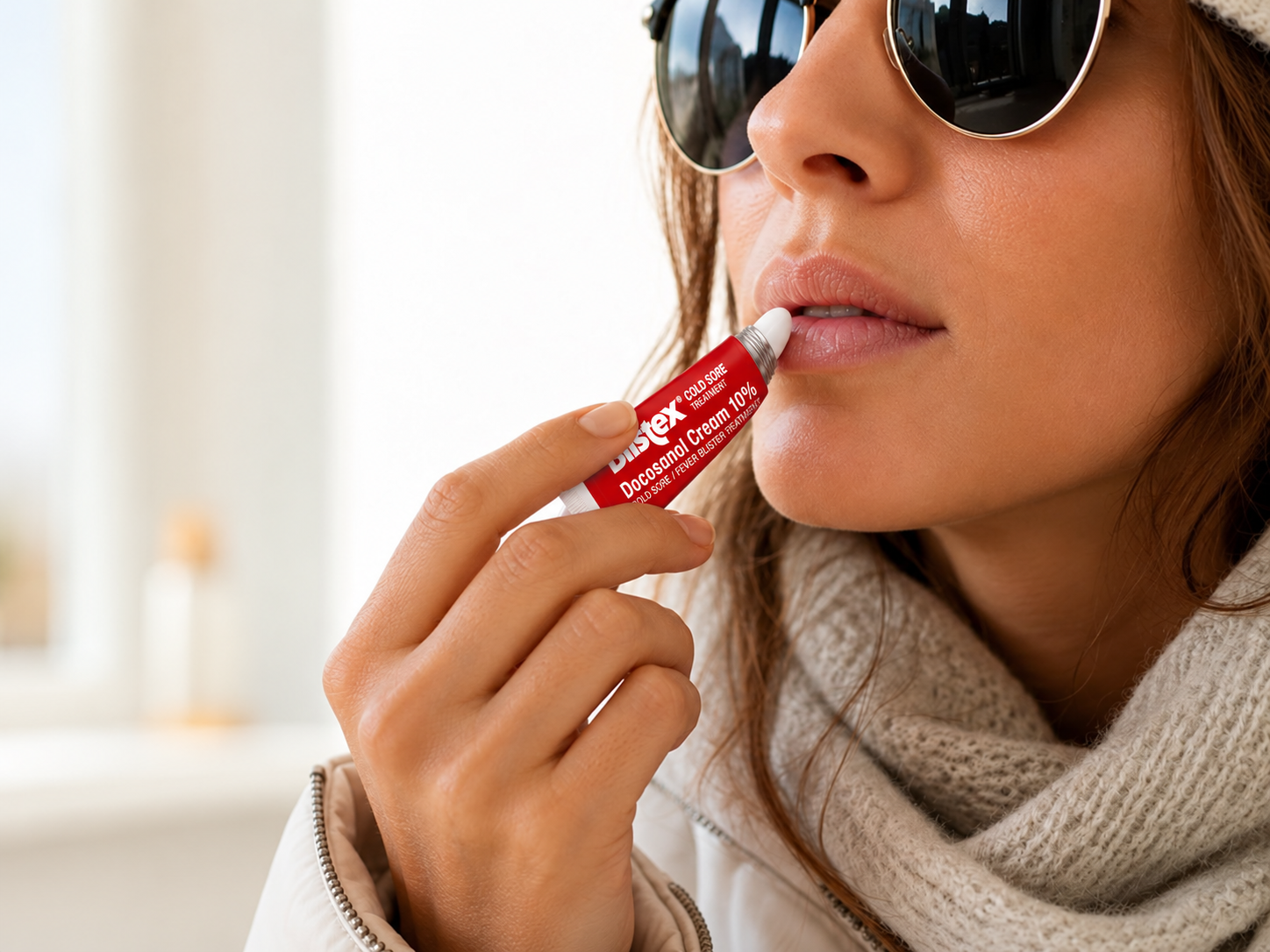
A thoughtful routine does not need to be complicated to be effective. Start by treating your lips like the rest of your skincare. A simple daily approach might look like this: gently cleanse your lips when you wash your face, apply a lip-specific moisturizer, and then seal with a protective lip balm. When you head outdoors, especially in the sun, wind, or cold, choose a balm with SPF protection, such as Blistex Five Star Lip Protection.
Planning for travel and activities makes it easier to stay consistent. During flights, beach days, ski trips, or long hikes, it helps to keep a few essentials handy:
• A cold sore lip treatment that feels comfortable enough to reapply often
• A hat or scarf, depending on whether you are heading into heat or cold
• A refillable water bottle to remind you to drink regularly
• Blistex Cold Sore Kit or Blistex Cold Sore Treatment Docosanol Cream 10%, if you tend to break out when stressed or tired
We also encourage paying attention to product labels. Look for formulas created with cold sore-prone, sensitive lips in mind. Having both medicated options for active flare-ups and soothing, protective formulas for everyday use lets you adjust based on how your lips are feeling that day. Blistex Cold Sore Kit contains a Docosanol Cream (10%), which is FDA-approved for treating Cold Sores, plus a pain-relieving lidocaine cream to create a protective, soothing barrier.
Cold sores do not have to dictate where you go or what you enjoy. With a bit of planning, you can protect your lips in the mountains, at the beach, or in dry, windy conditions. When we think ahead about our lips, the same way we do about sunscreen for our skin or sunglasses for our eyes, we give ourselves more freedom to enjoy the moment.
The keys are knowing your own triggers, guarding against sun and dryness, and responding quickly at the first sign of a cold sore. If outbreaks are frequent, severe, or interfere with your daily life, it is always a good idea to speak with a healthcare professional about treatment options. Keeping a trusted cold sore lip treatment in your bag, pocket, or nightstand can help you feel more prepared, so changing weather feels like something to plan for, not something to fear.
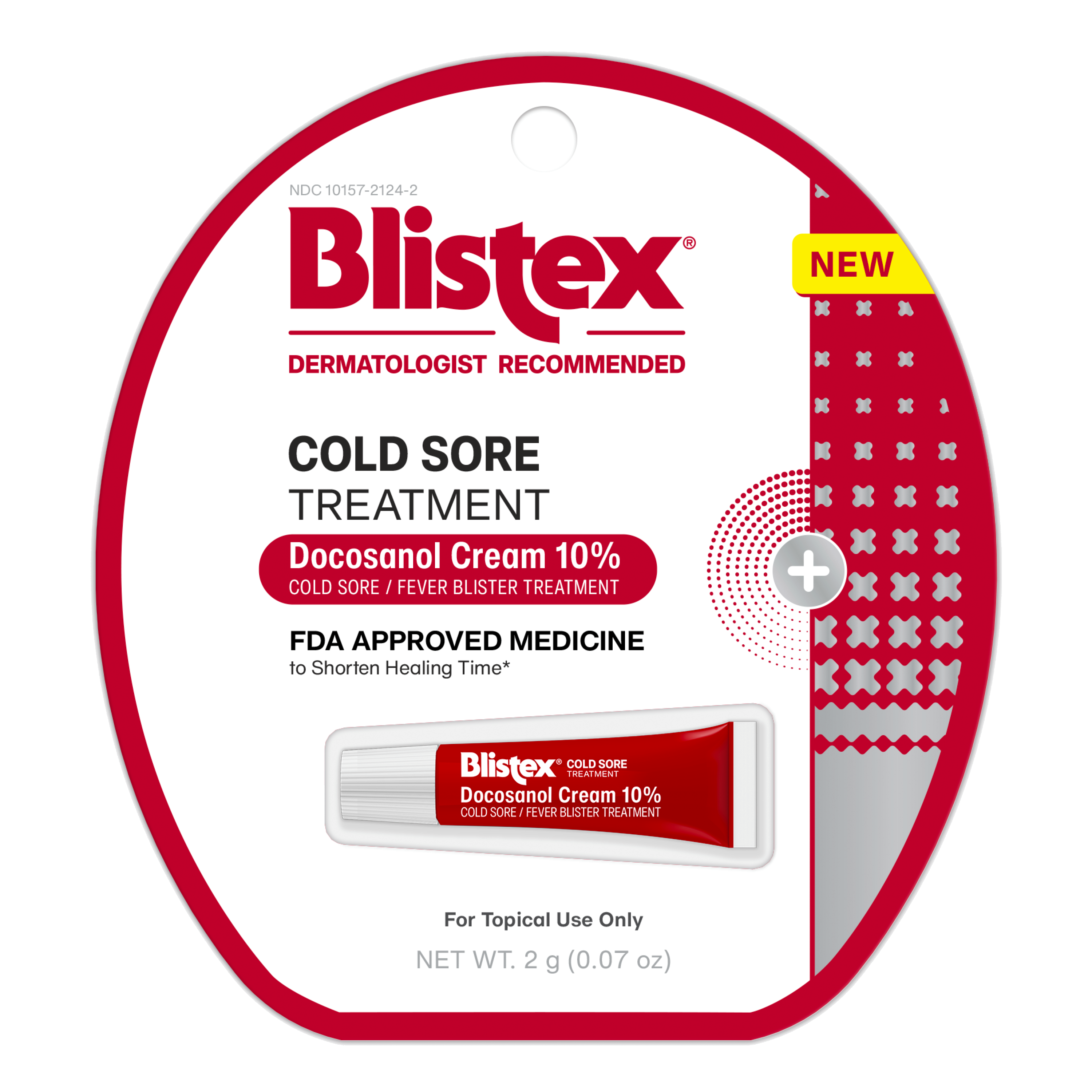
When you feel that first tingle, act quickly to prevent a bad outbreak of cold sores. Use an over-the-counter medication like Blistex Cold Sore Treatment Docosanol Cream 10%, which contains the FDA-approved ingredient Docosanol Cream (10%) to provide soothing relief and support healing.
Explore our options today so you are prepared for the next flare-up. If you’ve experienced cold sores in the past and are traveling to places with extremely hot, dry weather or at high altitudes, keeping a Blistex Cold Sore Kit handy will always ensure your lips are ready for what the weather throws at them.
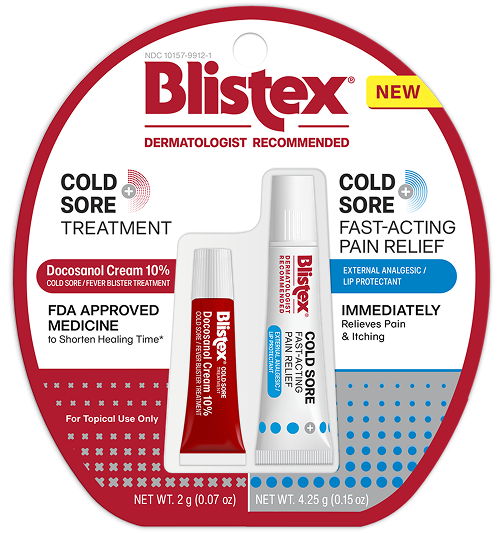
Immediate, targeted treatment to help shorten healing time and relieve pain & itching of cold sores

Jennifer Towns developed her early interest in aesthetic health and beauty sciences, later specializing in lip care and treatment. She has worked in both clinical and cosmetic settings, focusing on restorative and preventive techniques to help patients maintain healthy, natural-looking lips.
Fast Cold Sore Relief With Over-the-Counter Options Cold sores have a reputation for showing up…
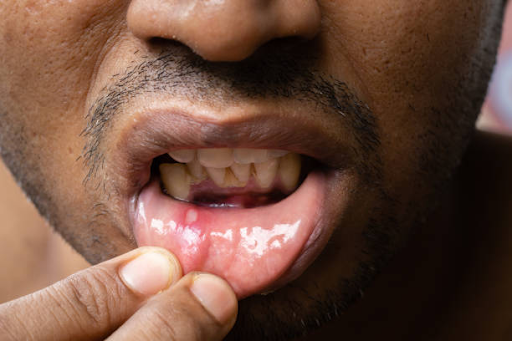
What Are the Differences Between Canker Sores and Cold Sores? Did you know that nearly…
Blistex Cold Sore Treatment Docosanol Cream 10% works best when applied at first tingle. Buy at a retailer near you.
 Shop Now
* Among some Dermatologists who recommended at least one brand for lip moisturization and treatment of chapped lips in a ProVoice® 2023 survey